Before You Choose a Street
The Bay Area, and What Differs Between Its Parts
The Coos Bay town guide covers dining, lodging, bars, beaches and attractions. This page is for the other questions: which services you will rely on, which official tools to check, and what to ask before you make an offer. The official sources linked below are the place to confirm any detail.
Coos Bay shares its estuary with the neighboring City of North Bend, and many people shop for homes across the whole Bay Area. The two cities have separate governments, school districts and permitting offices, so the first question for any address is which city, or which part of unincorporated Coos County, it is in. For the neighborhood-level feel, see the town guide’s areas list; below is what to check in each part of the Bay Area.
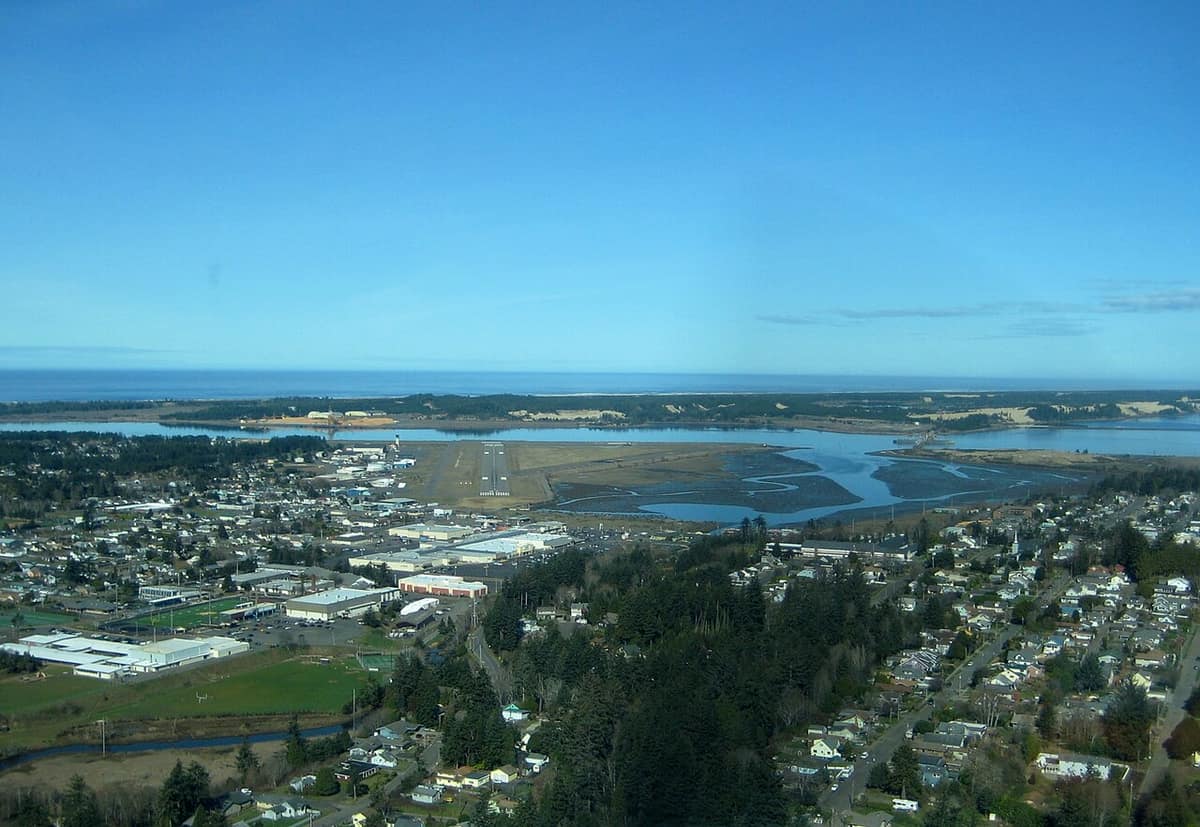
- Downtown Coos Bay — The commercial and arts center, near the waterfront boardwalk. Low-lying waterfront and downtown addresses deserve the closest look at flood and tsunami mapping. See the downtown arts guide for the character of the area.
- Empire — A neighborhood on the bay’s western shore. Check the lot against the flood and tsunami maps, and ask about sewer connection and age of the home.
- Eastside / Marshfield — Established residential streets east of downtown of downtown. Verify the specific lot rather than assuming higher ground.
- North Bend — A separate city next door, with its own city government and its own school district. Rules, utilities and permitting can differ from Coos Bay, so do not assume one city’s answer applies to the other.
- Charleston & the South Slough — Charleston is the community near the mouth of the bay, and the South Slough National Estuarine Research Reserve lists its address there. Homes in this part of the Bay Area may sit outside city limits, so confirm the jurisdiction, water and sewer service for the address. The Shore Acres guide covers the nearby coast.